How to Market Your Boutique and Turn Interest into Store Visits
The shopper saves a photo of the outfit and then comes back two weeks later after receiving an invitation. However, the letter is missing, the price isn't listed, and no one says whether the item is still available...





The shopper saves a photo of the outfit and then comes back two weeks later after receiving an invitation. However, the letter is missing, the price isn't listed, and no one says whether the item is still available or has already been sold. The request was clear, but the way to buy it was not.
A good place to start when improving boutique marketing is to give interested shoppers a useful place to go, show current collections, provide enough information to help them decide whether a product is suitable, and offer a simple way to arrange a purchase or a visit. Start with that approach rather than investing in another campaign.
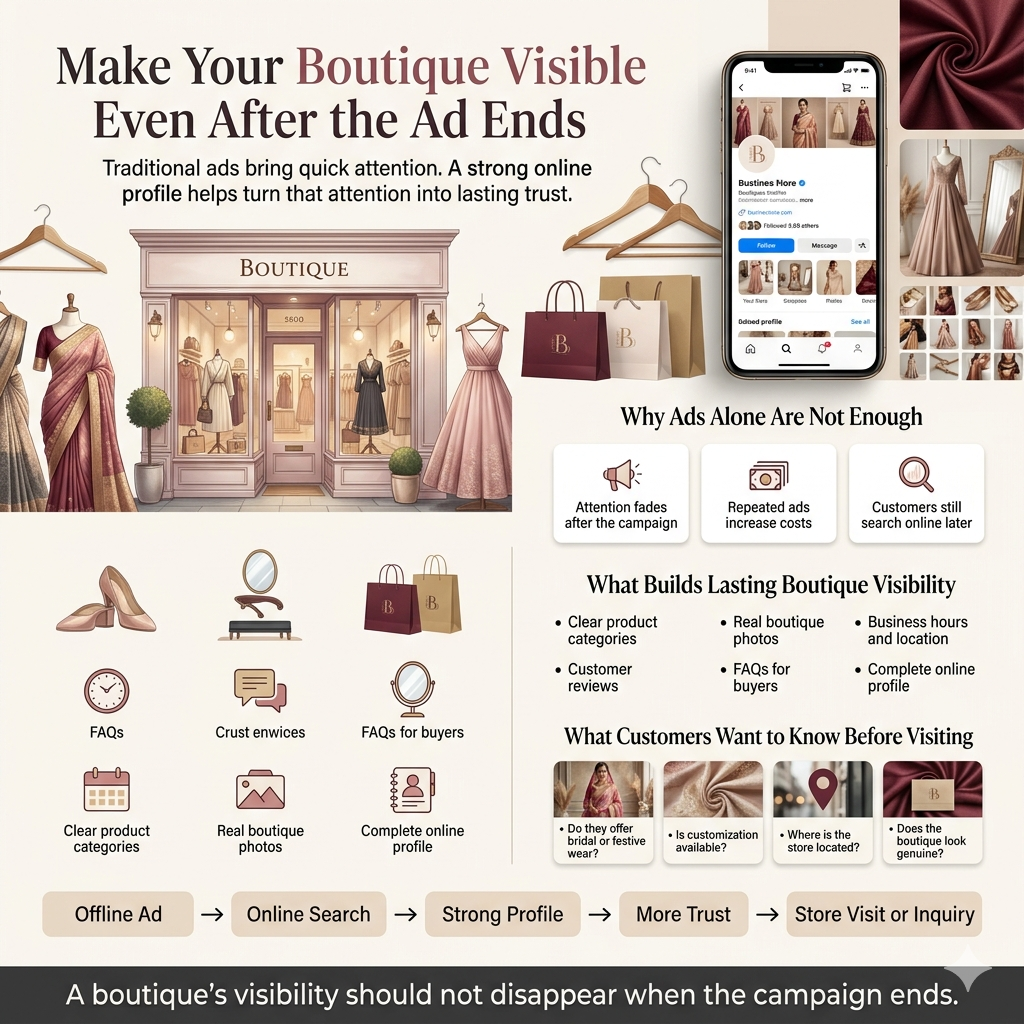
You can start the relationship with an exhibition, a flyer, or a social media post. The next step should then encourage customers to follow through. Before launching another campaign, confirm that someone who already likes your work can take that next step. That is why the next section focuses on giving shoppers a clear reason to remember you.
Give shoppers a clear reason to remember your business.
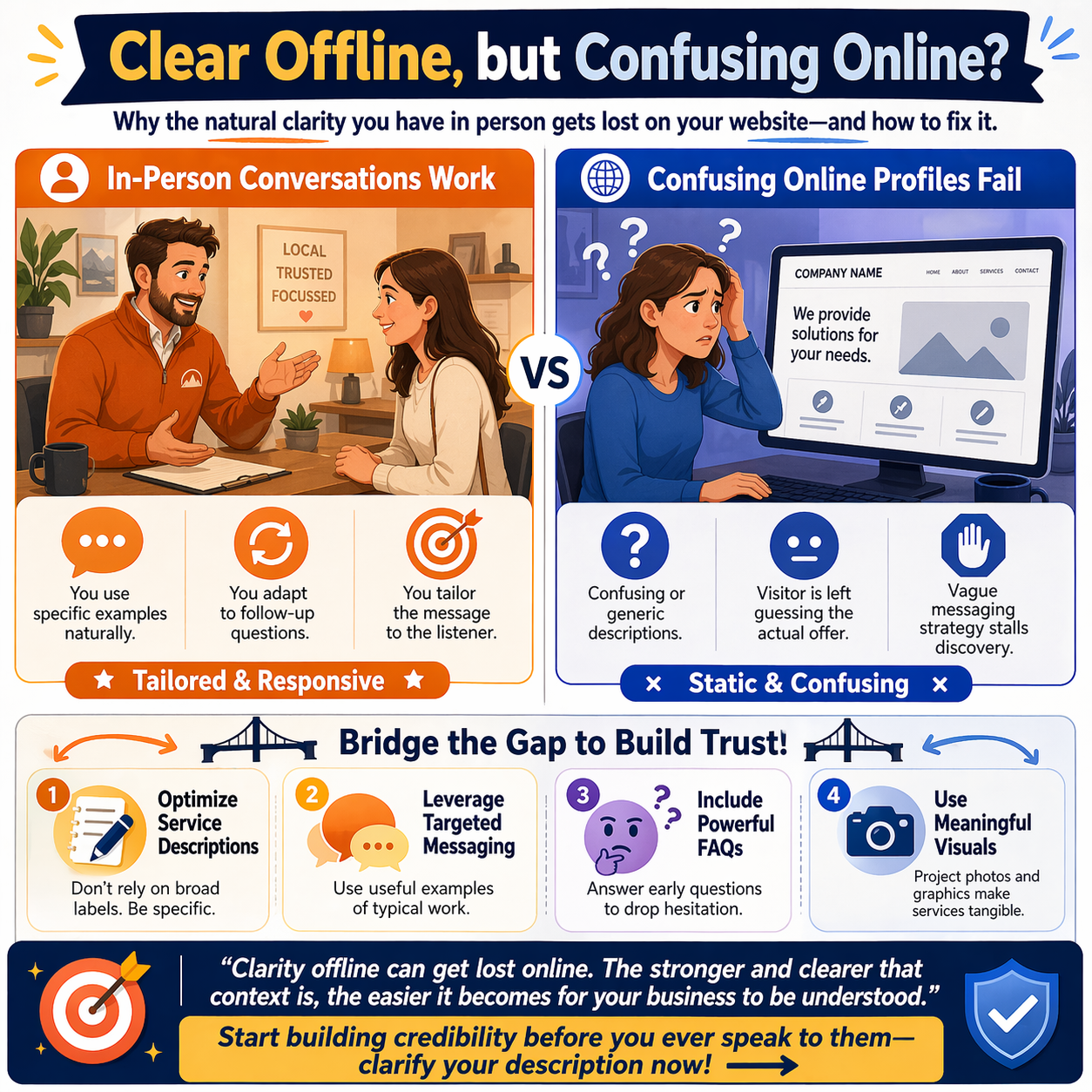
The statement "Exclusive fashion for every occasion" applies to many shops, so customers have to browse through the photographs to find out what makes your store special.
Identify the collections and services most important to your business, and divide them clearly when they target different types of shoppers. For example, a boutique that specializes in bridal blouses has different customers and different appointment requirements from one that sells ready-to-wear linen clothing. If you offer both, separate them so each type of shopper can find the information that is relevant to them.
Here is an introduction that explains what you offer, who it's for, and where customers can buy it. For instance, a fictional boutique could describe itself as providing occasion wear and made-to-measure blouses, together with fittings that can be arranged at its studio. This kind of description gives people a reason to ask questions and shows them how to do so without claiming it is the best.
Select specialties you can consistently provide; promoting every possible style may lead to messages you can't meet. When you narrow your focus, you attract customers whose needs match your stock, skills, and capacity.
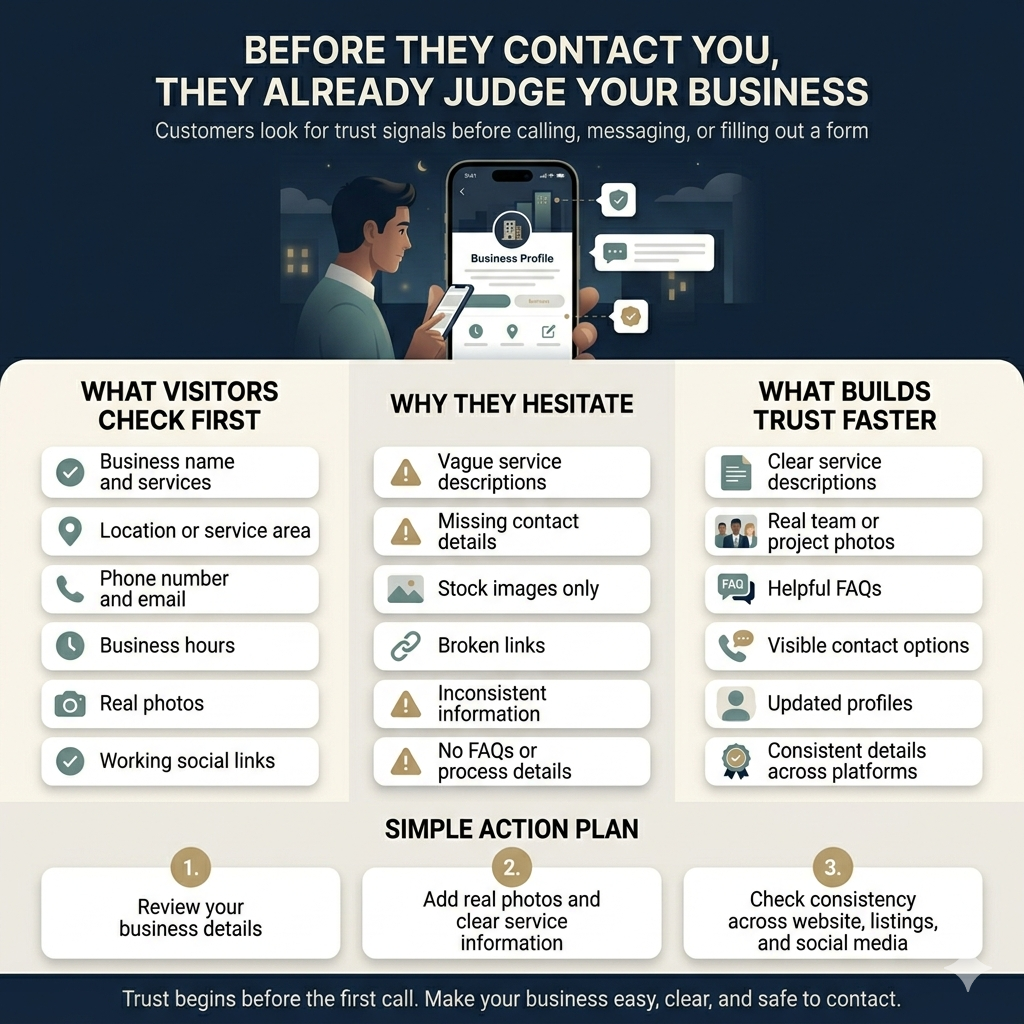
Create a page customers can return to
Give your boutique a single, reliable website. This page should help customers go from interest to action. Explain your collections and encourage people to ask questions. You don't need a big online shop if customers need to talk about a design before they buy.
Organize the page around the decisions shoppers make:
Which collections are on offer and which items are available to buy?
What are the prices or the realistic starting ranges?
What sizes, fabrics, and customization options are available?
Do I need to book fittings or appointments?
What is the boutique's address, and how can one get in touch with it?
When referring to collections, use well-recognized collection names, and place contact methods near the relevant information. If a customer is looking at a custom blouse, they should be able to ask questions about that blouse without losing the photograph or product reference; encourage them to enquire directly about that item. For a directory listing, check how updates are managed, where inquiries are directed, and whether you can quickly amend any out-of-date stock or service details. Assess the listing quality by the customers it can reach and the information it provides for them to evaluate.
Take photographs of the details customers would look at in the shop, and to move them from browsing to buying, highlight the features that influence their decision.
A styled photograph draws attention to the garment, but customers still need to see the neckline, lining, fastening, embroidery, and back before deciding whether it suits them.
For important items, create a small set of images showing the full outfit, another angle, and close-ups of the features that influence the customer's decision to buy. If a short movement video will help to illustrate the drape or the fit, include it. Make sure the lighting is consistent, and don't use filters that noticeably alter the fabric's color.
Google also advises that photographs for Business Profiles should be realistic and taken in good light, with no substantial alterations; it suggests using exterior photos which help visitors to identify the premises. Apply the same standard when selecting images for your boutique.
Call your previous custom work an example, not available stock. If accessories are shown but are sold separately, then state that. Give each design a simple reference number so that customers are able to identify it without having to describe 'the green one from last week'.
You must get permission before publishing photographs of identifiable customers; a photograph shared privately to discuss alterations does not automatically become marketing material.
Tell shoppers the price and fit before inviting them to visit, so they can decide whether the next step is right for them.
The phrase 'Message for price' encourages all shoppers to start a conversation, even those whose budgets don't align with the collection. For ready-made items, show the current price where possible. For custom work, state the starting price and explain how the final quote will be affected.
The starting price should reflect an item a customer could actually order; determine whether it includes the fabric, lining, embroidery, fittings, or alterations. If the photographed piece costs much more, indicate that separately rather than comparing it to an unexplained minimum.
Make sure that the size information is useful. Clarify whether the measurements refer to the body or to the finished garment and explain how to take them. Include any relevant fit features such as a close-fitting bodice, adjustable fastening, or limited stretch.
When taking orders by distance, agree on the method you'll use to take measurements and what will happen if any alterations are required. Don't guarantee a perfect fit based on just a few figures. Customers should know when a personal fitting is advisable and whether any further alteration charges or delivery fees might apply.
Make sure custom orders are clear from the start by explaining the process before customers book, so the next stage goes smoothly.
Custom clothing involves decisions that a ready-made garment may not. Here is a brief explanation customers can read before booking.
Explain the stages involved in the consultation, design confirmation, measurements, payment, fitting arrangements, and collection—specify when you can provide a completion date and what information you need first. Ask customers to provide these details before booking the appointment. Your opening message could request the occasion date, preferred design, approximate budget, and whether the customer already has fabric; this information lets your team assess feasibility before agreeing to the appointment.
Separate the event date from the collection date. Allow enough time for fittings and any agreed adjustments, based on the actual work involved. If your schedule is full, change the order deadline rather than advertising availability you can't fulfill.
Before you accept payment, confirm in writing the chosen design, the inclusions, and the arrangements for any changes, cancellation, and collection. Make the boutique's relevant policies clear to the customer, and ask them to confirm them as well. Do not leave the customer and the tailor with different expectations about what was agreed upon through a casual conversation. After you clarify this, address the local details the customer needs before their visit.
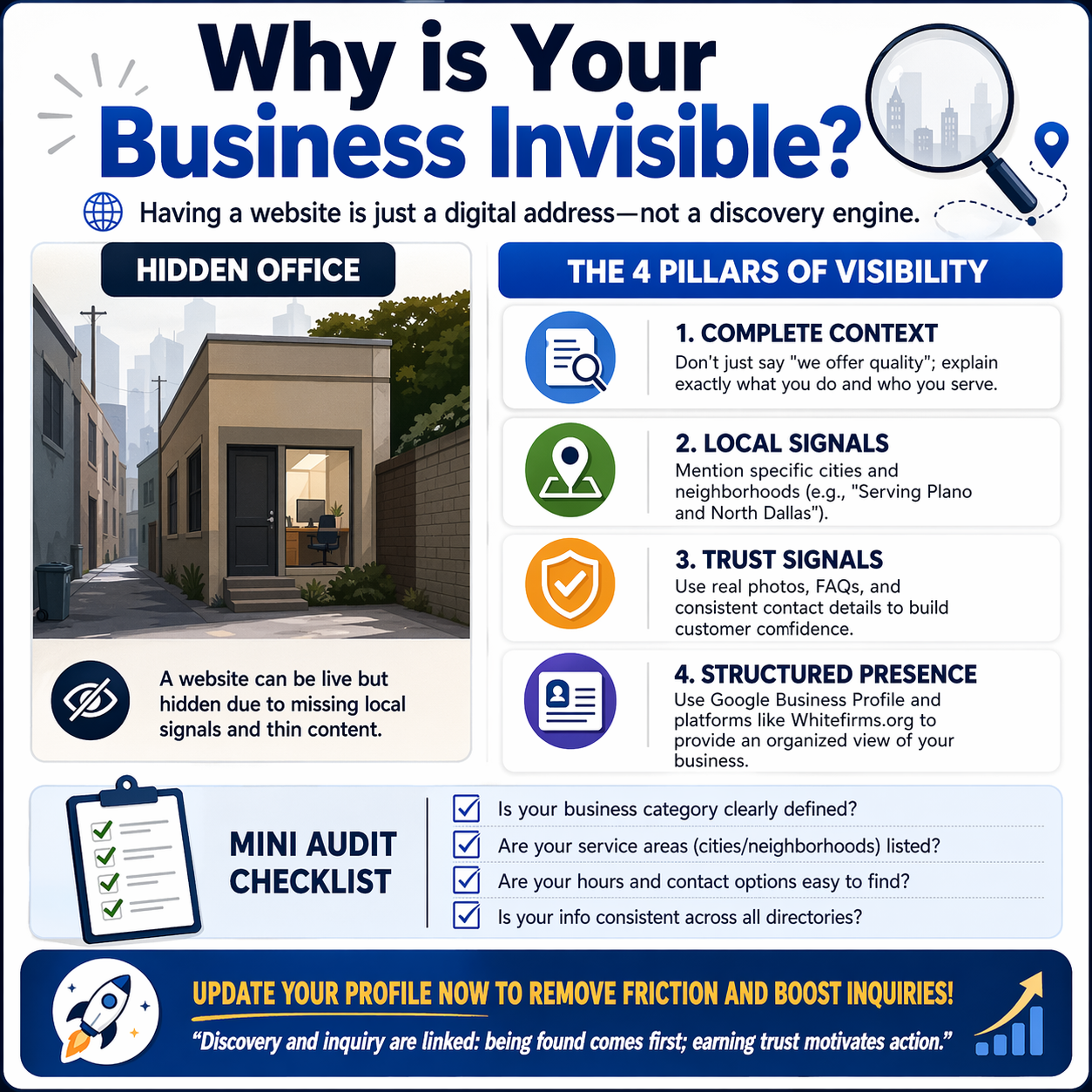
People can visit the store, but it is important to check local information before posting another promotion. Whenever you list a business, check its position on the map, address, opening hours, and contact number.
Google states that a complete, accurate Business Profile gives businesses a better chance of appearing in relevant local searches. Although local search results are primarily determined by relevance, distance, and prominence, a fully completed profile does not ensure a specific ranking. Google local ranking guidance
Where appropriate, include practical arrival information such as the building entrance, the floor, a nearby landmark, parking options, or the need to make an appointment. A photograph of the shop's front will help people spot it from the street.
Keep the shop's opening hours separate from consultation times. The boutique might be open even if the designer is busy with fittings. Customers should know whether they can browse without any restriction or if they need to book time for a custom order.
Don't forget seasonal variations as well; if staff are going to an exhibition or closing early during a festival, make sure the information is updated before customers travel.
Link each promotion to the collection it promises, so customers who respond understand what comes next and are directed to the right information.
A flyer promoting bridal services should provide details regarding bridal designs and fittings. A posting about a ready-made collection should show customers what is currently on offer. Directing everyone to an unrelated home page adds an extra search task.
In a hypothetical festival campaign, the QR code might direct people to a page with information about the collection, prices, stock availability, and directions to the store. Encourage customers to scan the code to get those details; this is a suggestion, not a claim that QR codes alone drive sales. Include the web address next to the code for people who can't scan it. Before printing the full batch, test the printed sample on a phone. If you use a managed QR service, make sure the destination depends on an active subscription.
At exhibitions, make it easy for shoppers to keep a record of the design they like; a product reference on a card or a follow-up message can prevent confusion later. Before including anyone in promotional messages, ask them and tell them how they can request order updates separately from general offers. Social media posts serve a useful function; start by outlining the decision the customer needs to make, then provide the details of the relevant post.
Write posts about decisions customers need help with by showing how a fabric moves, explaining the difference between two cuts, stating which pieces are available for immediate purchase, or describing how a first fitting works.
Use captions to address the questions that the image raises. Include the design reference, relevant prices, availability, and a clear next step; tell customers exactly how to enquire about this design so the information is easy to find using the options available on your chosen platform. When stock changes, check the prominent collection links and your saved information. Once the last item has been sold, the appealing post can still keep circulating.
When working with a creator, consider whether their audience will buy from you and whether their style matches your collections. Agree on the content, payment, advertising disclosures, and any rights to reuse the images. Decide what you want to measure—for example, relevant inquiries or attended appointments—and tell the creator what action to encourage before evaluating the collaboration based on views. Make sure the first reply is worthwhile to the customer's time by starting with the question that led them to you.
When someone asks whether an outfit is available in their size, answer their question first; otherwise, sending a general catalog or asking them to call would make them repeat themselves.
Make sure product information and availability are accessible to anyone who handles messages. For ready-made clothing, confirm the size, price, and how to purchase or reserve it. For custom work, confirm the deadline before discussing decorative details.
When you take reservations, state when they expire and what confirms them; without a shared record, one team member might promise a garment that another person has already sold.
For frequently asked questions, prepare brief answers but tailor them to the specific request. Agree with customers on who will handle their messages during the shop's busy hours and set them clear expectations regarding when they can expect a reply.
Share additional information from the conversation—such as an available fitting time, a requested close-up, or an appropriate alternative. Sending the same message 'Are you interested?' over and over again achieves little if the original question has not been answered.
Do not fabricate praise when using customer feedback.
After a completed purchase or fitting, invite honest feedback. Customers’ own accounts of communication, artistry, fit, and punctuality can help prospective buyers. Google lets businesses ask for reviews by including a review link or QR code. However, it prohibits incentives such as discounts or free products in exchange for a review. Separate review requests from promotional rewards. Google review guidelines. When handling a complaint, acknowledge the concern and arrange a private discussion about the order details.
You must not include measurements, payment information, or personal circumstances in a public reply. To improve service, use repeated customer comments. When multiple customers mention rushed fittings or unclear alteration charges, adjust those arrangements. However, better photographs will not solve the problems that customers encounter after placing an order. Keep a record of appointments and purchases, and review it regularly.
A simple record of the source of inquiries, what customers wanted, and what happened afterward is enough, as long as the team uses it consistently. Track separate messages, booked appointments, attended appointments, and paid orders. When someone taps a directions link, it shows interest, but it doesn't mean they visited or bought something. For campaigns, record the cost along with the number of orders you can reasonably link to them. Then compare the amount left after deducting the cost of the garments, discounts, and other direct costs with the amount spent on promotion.
Even if sales revenue is high, the return could still be very small. Find out how customers first learned about your business and what specifically led them to visit on this occasion; an exhibition might have introduced the boutique, while a subsequent post could have encouraged the visit. Do not attribute every sale entirely to the most recent interaction. Look at the reasons people don't move forward. Handle unavailable sizes differently from slow replies or missed deadlines.
Use this insight when selecting the next improvement. Subject the following collection to a customer check. Pick one collection you want to promote and review it on your phone as a shopper trying it for the first time. Can you identify the item, check the price and fit, confirm availability, and contact the right person? Fill in any missing details, replace misleading photos, and check all booking or inquiry links. Then have someone unfamiliar with the boutique do the same task without help, and note where they hesitate.
Once you've proven the route works, use it in the next flyer, exhibition, or social campaign. Each week, review the conversations with the team and update the page as items sell or slots fill. Give interested shoppers information that helps them act while your boutique can still meet their request, until you fulfill it.