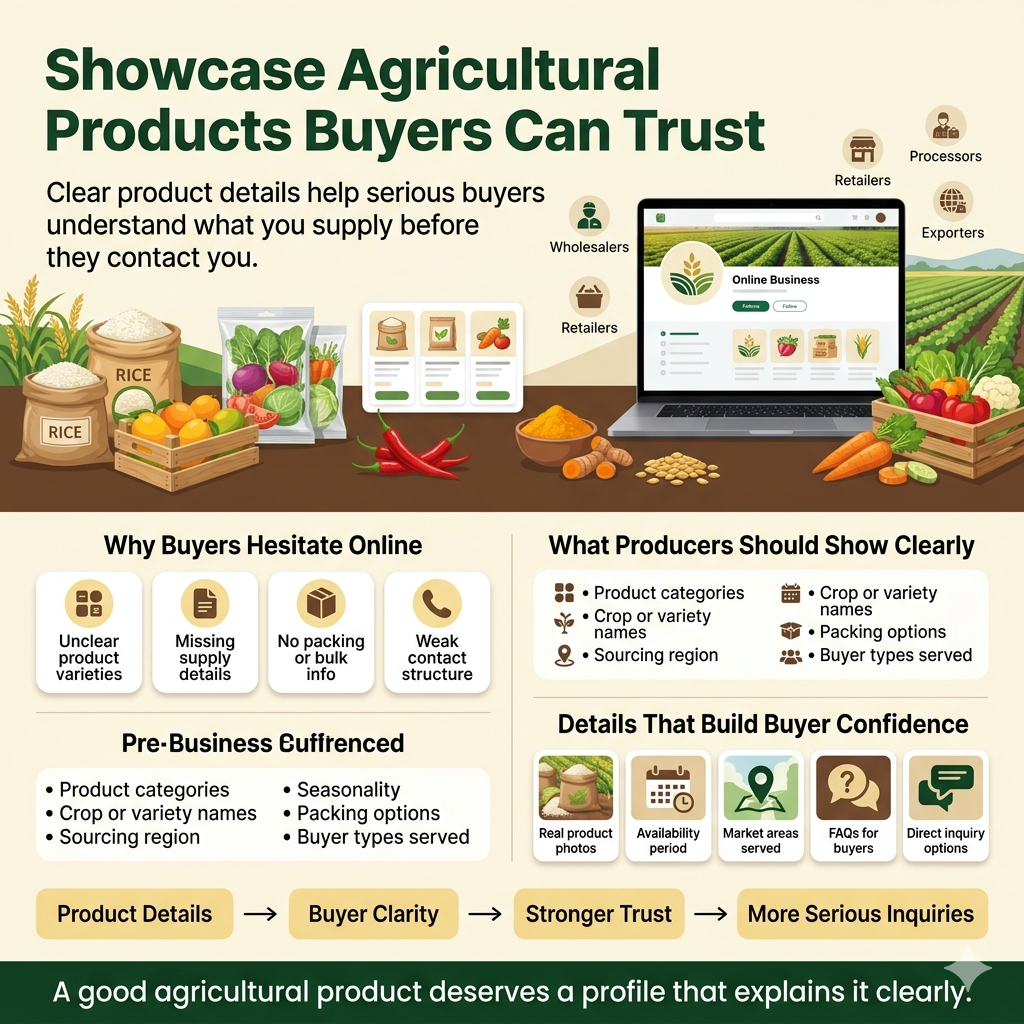
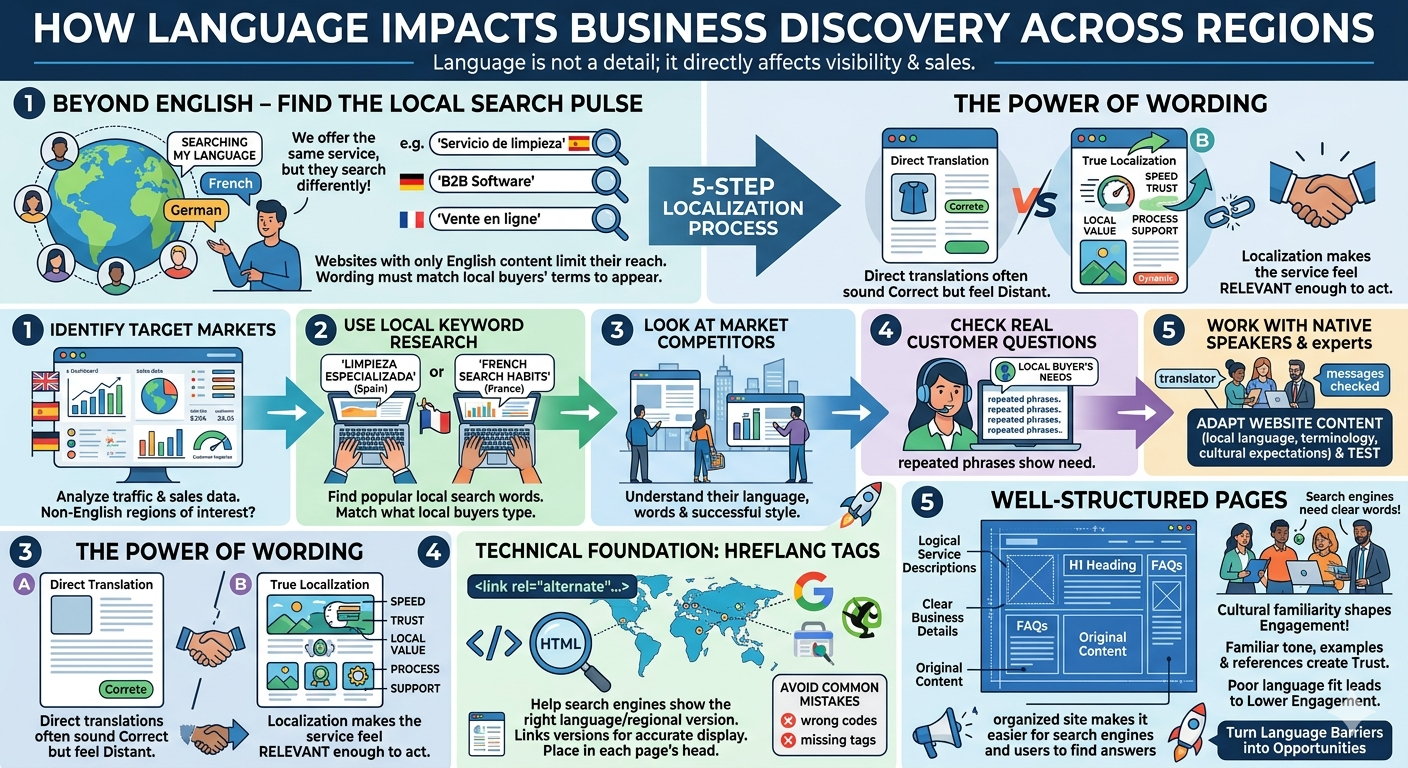
Why Manufacturers Need More Than Alibaba to Find Buyers Online
A manufacturer might receive many inquiries each week but still struggle to secure suitable orders. Some buyers request quantities that are below the factory's minimum. Others want products which are outside the fac...
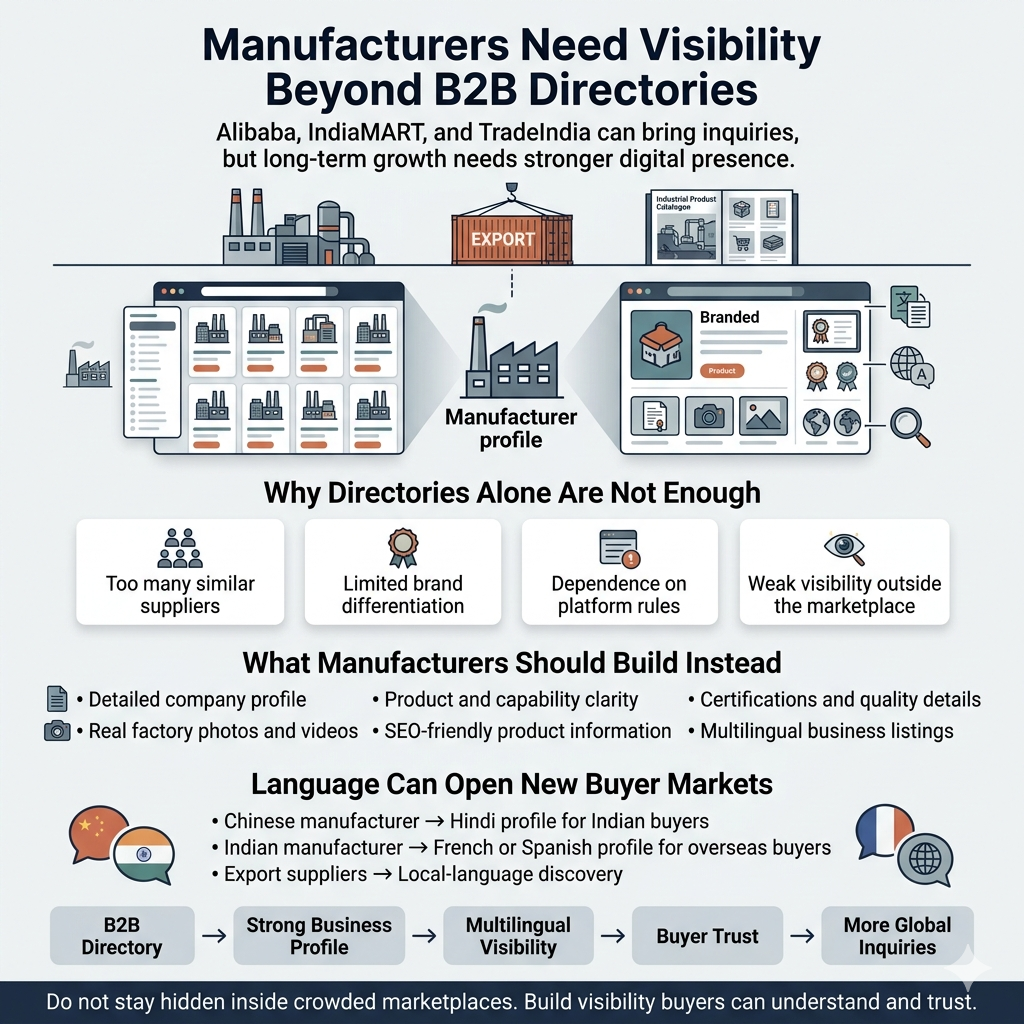





A manufacturer might receive many inquiries each week but still struggle to secure suitable orders. Some buyers request quantities that are below the factory's minimum. Others want products which are outside the factory's capabilities. Some ask for prices and then disappear without ever discussing specifications.
People often try to boost their visibility on that same platform. In many cases, this approach is sensible. However, more inquiries will not solve a mismatch between the buyers you attract and the work you can do profitably.
When it comes to finding customers, Alibaba is important for finding opportunities. Moreover, manufacturers need to explain their capabilities, contact buyers through other channels, and decide whether an inquiry reflects a real purchase requirement.
The aim is to design a sales process that remains effective when considering individual listings.
Understand what marketplaces already provide
Describing Alibaba as merely a directory that gives manufacturers very little opportunity to express their identity would be incorrect. The platform provides sellers with a variety of tools, including storefronts, product catalogs, requests for quotation, advertising, analytics, and conversation translation. Alibaba's Verified Supplier program provides third-party assessment reports on supplier capabilities. Alibaba Seller
Before you choose another channel, make sure your existing profile uses the available features; if it has outdated specifications, poor photos, or incomplete company information, it may weaken an otherwise suitable channel.
The more important point is how much your business depends on that channel.
Look at where qualified inquiries and profitable orders come from; since one marketplace provides almost all of them, changes in exposure, costs, competition, or account access could have a major impact.
A productive marketplace deserves ongoing monitoring because it gives you a reason to set up another reliable way to get customers when the business is performing well.
Define the buyer before expanding your advertising reach.
Using "international buyers" as the basis for a manufacturer's marketing is too broad.
The equipment distributor, the factory purchasing replacement components, and the brand that wants to enter contract manufacturing all have different requirements, and one product photograph may attract all three without showing which customers it applies to.
Choose a product group and describe its intended buyer:
* What does the person making the purchase buy or produce?
* Which specifications determine suitability?
* What order sizes are available to you?
* Which places can you provide?
* Does the buyer need standard products, made-to-order, or ongoing technical support?
A reasonable objective for a hypothetical packaging manufacturer would be to focus on regional food producers who need packaging printed in repeatable batches, since it is more practical to target these businesses than every company that buys packaging.
You must reflect this definition in your website pages, directory categories, outreach activities, and qualification questions; furthermore, it prevents you from spending money on customers your factory can't meet.
Create pages that help drive a purchasing decision.
Give prospective customers enough information on your website to decide whether it is worth further discussion.
It is rarely possible for a product's name together with a photograph taken at the factory to deal with the technical and commercial questions that come up, since for different products buyers may need to know the available materials, the dimensions, the tolerances, the finishes, the minimum quantities, the tooling requirements, the packaging arrangements, and whether samples are available.
Differentiate between standard capabilities and those that require an engineering review; if a tolerance can only be met with certain materials or dimensions, explain that limitation.
Also distinguish between total production capacity and available capacity; a clear statement about what you can produce helps you tell a customer when they can expect their order to be accepted.
Create separate pages for each main product line or manufacturing capability. On these pages, provide links to the relevant drawings, specification sheets, and request forms. Make sure the essential information appears on the page, not only in a downloadable brochure.
The right explanation will not only stop inappropriate questions but also give serious buyers a better starting point.
Show how you deliver the capability you claim
"High quality" and "competitive pricing" provide no valid basis for comparing manufacturers.
Supply the documents and records that support your proposal. Relevant materials may include inspection plans, testing equipment, traceability procedures, sample reports, or photographs of the finished production.
Clearly state what the certificates are, name the organization or site in question, define the scope, and, where applicable, provide the validity period. Avoid wording that could be understood to imply that the management system certificate approves every product for every destination.
A simple project example can show the need, the work involved in manufacturing, and the documentation produced, and approval must be obtained before referring to customers or showing them their designs.
A firm with no public case studies should at least provide labeled examples, demonstrations, and information about its capabilities; it should not fabricate clients or results to appear established.
The purpose is to give the buyer something to review before requesting samples, conducting an audit, or discussing an order.
Use search results to answer sourcing questions.
Content creation is most valuable when the question involves choosing a supplier or assessing a product's suitability.
For a hypothetical component supplier, topics might include what information is needed to quote a replacement part, available materials, or factors that influence production lead time.
A contract manufacturer may be asked to explain prototype approval, tooling responsibilities, or the transition from a sample run to a production run.
When you produce content, use terms your target customers already use. As Google suggests, consider the search terms people use when creating clear, easy-to-understand content; you don't need to include every possible keyword variation on a page. developers.google.com
Start by releasing complete product and capability pages, then publish supporting articles that answer further questions and link them to the relevant offering.
You can attract readers by producing many articles on general industry subjects, even if you never have suitable discussions on commercial matters. Rather than evaluating a topic by how well it fits the publishing schedule, assess it by the decision it supports.
Choose more channels for a specific use.
Expanding to all possible platforms leads to maintenance work before the expansion has established its commercial value.
Give each channel a specific role; for instance, a specialist directory can introduce you to buyers in a particular sector, a trade association can make relevant introductions, and a professional social network can let your technical team explain an application to industry contacts.
A detailed profile should make it easy to evaluate your capabilities and contact process, no matter where it is displayed. Still, if you use a third-party listing, you won't have the same control as when you keep your own website and customer records.
Before you pay for a channel, check the appropriate categories, current activity, profile quality, the reporting system, and the correction process. Check whether the traffic figures refer to the whole platform or to similar pages from suppliers.
On social media, publish content that is related to your work—such as a demonstration of an inspection, an explanation of a production option, or a response to a commonly asked sourcing question—and direct interested readers to the relevant information.
Add only one thing at a time so that you can observe its effect.
Select languages from buyer behavior.
Treat language as a market strategy, not merely a decorative element.
It is a mistake to think a Hindi website is the right solution for all industrial buyers in India, or that one Spanish page will serve all Spanish-speaking markets. Look at the language your target customers, distributors, and purchasing teams actually use.
Review real inquiries and ask existing customers what information is easier to assess in a different language. Start with the product pages, specifications, and quotation instructions relevant to that group.
It isomeonehave a person who knows the product check the technical translations, as any error in respect to dimension, the description of the material, or the operatmoreditions might caleavingre confuthan simply leaving a page untranslated.
Google states that multilingual websites should have separate URLs for each language version, along with annotations that identify the relevant pages. developers.google.com
Also, let us know what language support your team can provide once we connect. A translated profile should lead to a meaningful conversation.
Use export assistance as part of your sales activities.
At various stages, manufacturers can receive support from public export schemes, although the services and eligibility criteria vary by country.
For example, the U.S. Commercial Service offers a range of services, such as participating in trade shows, organizing trade missions, searching for partners, arranging meetings, and providing background information on foreign companies. These services are intended to help eligible U.S. exporters. trade.gov
APEDA documented the export infrastructure and market development aspects as part of a sector-specific assistance program. While this previous program illustrates the type of assistance available, exporters should check the current provisions themselves before concluding that such assistance is still available. Exporters can also obtain trade finance resources from relevant agencies and financial institutions, provided they meet the requirements. trade.gov. These programs aim to meet specific needs; providing the infrastructure alone does not create demand for your product, and introducing it at a trade fair does not guarantee an order.
First, identify target companies, collect relevant technical information, and appoint someone to handle follow-up; keep a record of each contact's needs so the discussion goes beyond simply exchanging brochures. Explain the difference between a real company and a qualified buyer.fi"Genuine buyer" can mean a few different things. qA company might still exist and have a proper address without at present needing your product; someone in the company might be in a position to handle the matter even if they are not the one responsible for buying, and a serious buyer could require delivery terms or quantities that your company is not able to offer.to provide.
Assess these matters: Is the company real, and is the person in contact actually connected to it? Does the requirement match your products and capabilities? Is there currently a project, specification, or timetable related to the purchase? Are the delivery method and payment terms reasonable? Use the first inquiry form to gather information about the product, its intended use, quantity, destination, and timing, then fill in any gaps through the following conversation.n As far as exports are concerned, a more in-depth investigation of the potential partner and the transaction should be carried out.
The International Trade Administration guidance states that due diligence should focus on three areas: market conditions, company background, and purchasing risk. trade.gov. One person's directory badge, social profile, or even a reply to an email should not be treated as a complete assessment. Consider what buyer databases and AI services actually verify. Although AI tools can organize information on publicly traded companies and identify possible matches, you still need to check the results against the most current information and the buyer's actual requirements.
We need to find out what the verification process includes if a service offers verified buyers. Has the business registration been verified? Has the position of the person we contacted been confirmed? And has a current requirement for the product been established, and if so, when?f A record acquired from an online platform could contain details regarding a supplier, a consultant, a former employee, or a company which is no longer in operation. The fact that this type of record is publicly available does not show an intention to make a purchase.
Find out from the companies in question the methods they use for dealing with entries that are outdated and the way they distinguish between contacts who have been researched and those who have shown an interest in buying; the reports should contain relevant responses and in-depth discussions, not merely the total number of records collected or the number of emails sent. If you're doing your own outreach, explain why the product is relevant and ask a specific question about the recipient's requirements; repeated generic messages will not count as a real match. Assess progress by the number of inquiries. Keep a simple record of the inquiries and their results. In this record, include the source, product, destination, qualification status, quotation, sample request, order, and reason the discussion was lost.
Compare channels using commercial results:
* Cost per qualified lead: From asking questions to obtaining a price quote, and from samples or trials to orders. The amount left after costs are deducted, plus revenue from customers making repeat purchases. The amount of staff time required to manage the channel. Consider your sales process duration, since a custom manufacturing project may include technical discussions and trials before an order is placed. You should also monitor the various ways buyers discovered your business; for instance, they could come across your company on a marketplace, visit your website, and then respond to an email. If you credit only the final point of contact, you will obscure the contribution of earlier channels.
Set out the following route for one product and one market.
Start with a small test.
Choose a product family you can supply competitively and a buyer group you know. Review recent inquiries to identify repeated mismatches. Improve the relevant capability page and prepare the documents needed to put together a meaningful quotation.
Select one of the following: a specialist directory, targeted outreach to the industry, a trade introduction, or a language version based on customer demand.
Assign an owner, record the cost, and set criteria to guide the decision. Qualified conversations, viable quotations, sample approvals, and profitable orders provide a stronger basis for that decision than profile views alone.
As you gain more knowledge, keep active in the marketplace; if the new route proves valuable, expand it, since the team can meet the resulting demand.